Article

The Essential Guide to Live Chat Etiquette

AUTHOR

Lorelei Trisca

LAST UPDATE

Nov 25, 2025

Introduction

Live chat can be one of the most impactful customer service strategies in our digital-first world. With the growing scope of fast response times, efficient communication, and personalized interaction, live chat has become an essential service point for companies large and small. However, implementing a live chat is one thing; being professional, consistent, and most importantly, clear, will allow all interactions to be a positive representation of your brand. This is where live chat etiquette is relevant—the best practices that will help your agents communicate well while conveying politeness, empathy, and efficiency. Good live chat etiquette not only prevents miscommunications but also enhances the entire customer experience, gains loyalty, and even increases revenue. By adhering to good etiquette, they will trust your practice, reduce friction in the customer experience, and create unforgettable experiences that they will want to return for. In this guide, we will present the principles of live chat etiquette and how those principles will enhance your customer service approach.

Understanding Live Chat Etiquette

Live chat protocol describes the professional, courteous, and effective behavior agents display to customers online. While there is a specific protocol related to customer service in general, live chat protocol discusses the finer points of written communication in a digital space, such as tone, clarification, timing, and personalization.

A well-established live chat protocol is important for establishing trust, reliability, and a positive experience. Polite, timely, and effective responses enhance customer engagement, loyalty, and enjoyment. However, the poor protocol could damage your brand.

Best Practices for Live Chat Etiquette

Having live chat etiquette gives every interaction a sense of professionalism and helpfulness, while being as efficient as possible for the customer. Below are the best practices every business should implement:

Fast Responses

Fast responses are important when it comes to live chat. Customers expect responses almost instantaneously; if they do not receive a fast response, they may become frustrated and abandon chat or your site entirely. Ideally, the first response should occur no later than 30 seconds, and follow-up responses should be delivered as rapidly as possible. Customer care that acknowledges the customer's time and immediately works to resolve an inquiry and showcases attention and respect for the customer's time and relationship. Fast responses increase customer experience.

To assist with fast responses, businesses can implement a variety of tools, including AI chat assistants, a pre-set greeting, and smart notifications that will ping agents about incoming messages. All of these different tools will help reduce the time for response without lacking personalization and/or quality of the conversation. When a customer experiences a timely response, it will increase customer satisfaction and loyalty, in addition to demonstrating reliability with your brand, encouraging customers to get your services again.

Use of Professional and Polite Language

Using language that is courteous, appropriate, and positive is essential. Do not use slang, jargon, or an overly friendly or informal tone unless your brand voice specifies that. Politeness signifies professionalism; however, friendliness makes it all approachable. The use of words like “please” and “thank you” has great value for the first impression you create.
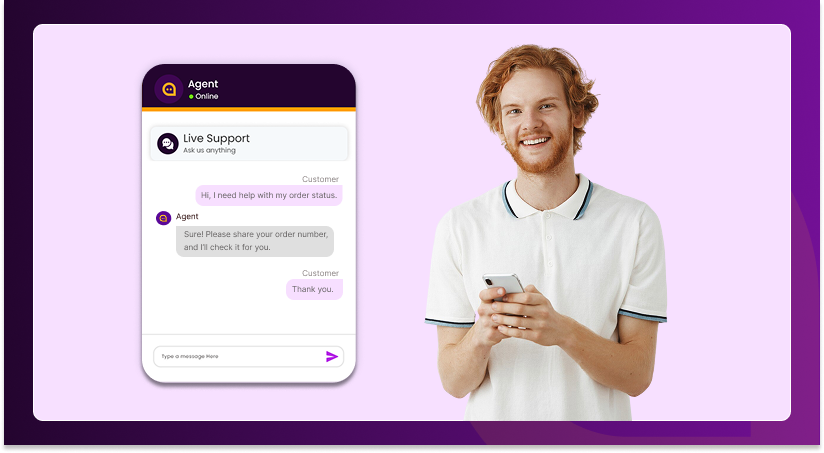
Conveying professionalism and polite language also helps to clarify conversations, reducing the likelihood of misunderstandings and confusion. A calm and respectful tone introduces less likelihood of conflict and a more open dialogue in dealing with angry or upset customers. We are advocating training all agents to use positive phrasing patterns, active listening cues, and appropriate language in a polite way as much as possible to enhance your brand’s credibility and commitment to excellent customer service.

Personalization

Referring to customers by name and addressing their unique issues provides a more interactive experience. By employing the context of previous conversations or previous purchase history, you can include tailored responses. Personalization communicates that the customer is valued as a person and not just another inquiry.
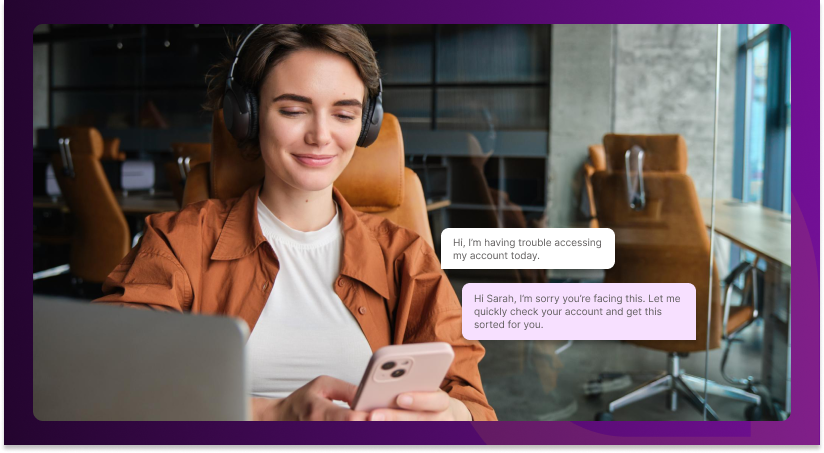
The ability to reference more than just a customer's name could be referencing past purchases or recognizing past support conversations, assuming browsing activity gives some insight into needs itself. Personalization can show attentiveness and more effort, building a stronger emotional connection to the customer.

When a conversation has personalized characteristics to make it appear not just like every other routine question on the topic, the customer could feel how the experience is relatable. When personalization is in the form of excitement on interaction, continued repeated engagement, or repetition and engagement feels more likely. Even though not every interaction will have the same model, try to keep the process conversational and relational.

Be Clear and Concise

Live chat messages need to be clear to the customer and easy to understand, and they should be concise to allow quick reading. Avoid long paragraphs or overly technical explanations. Break text into chunks that are easy to digest, use bullet points to list action steps, and provide a short action plan. A clear message and message structure reduce confusion and increase the speed of issue resolution.

Clarity and conciseness help avoid using unnecessarily complicated language or ambiguous terms that the customer might not understand, or potentially confuse the customer. Clear step-by-step instructions or key points identified ensure the customer can easily follow you. A concise message structure not only reduces time to resolve the issue but also creates a more professional chat experience that adds to the overall pleasant experience for customers, lending credence to the brand's message.

Active Listening

Even if only text-based communication is possible, you should still show the customer you have understood their concern. Summarize their issues as you ask for clarification, or summarize at the time of resolution. Active listening builds trust in the customer, and active responses address real issues.

Active listening in real-time customer chats includes simply acknowledging feelings (This statement recognizes how they are feeling) and displaying empathy according to one’s response (e.g., "I understand your concern" or "Thanks for explaining").

These serve as indicators that you are paying attention and are genuinely interested. By listening carefully and confirming details, agents will deliver even more accurate answers directed specifically to the customers, ensuring customer satisfaction and trust. You are successfully resolving issues while further gaining the customer's trust in the brand.

Openness and honesty

Honesty is being open about wait times, item availability, or anything else that may cause disappointment. Do not make a commitment that you cannot fulfill - ever, it diminishes trust. Openness and honesty build credibility and a greater chance for ongoing brand loyalty or trust

Openness and honesty clearly communicate the next steps and challenges that can arise while resolving customer issues. By providing realistic expectations or informative details, agents build clarity regarding what to believe in the information and build confidence in the brand. Customers tend to appreciate straightforward customer communication, even if the post is not ideal, but it shows that you have integrity; and reliability = values, reliability, trustworthiness = believes customer will return to the brand long term.

Showing Empathy and Patience

Empathy is essential for providing good live chat support. When customers are frustrated and need assistance, it is important to acknowledge their frustrations and show them empathy. Remain calm and patient, even with upset or upset customers. When engaging with customers, providing an empathetic response has the ability to de-escalate a frustrating situation and perhaps leave the customer with a positive feeling even if the resolution to their issue was complicated.
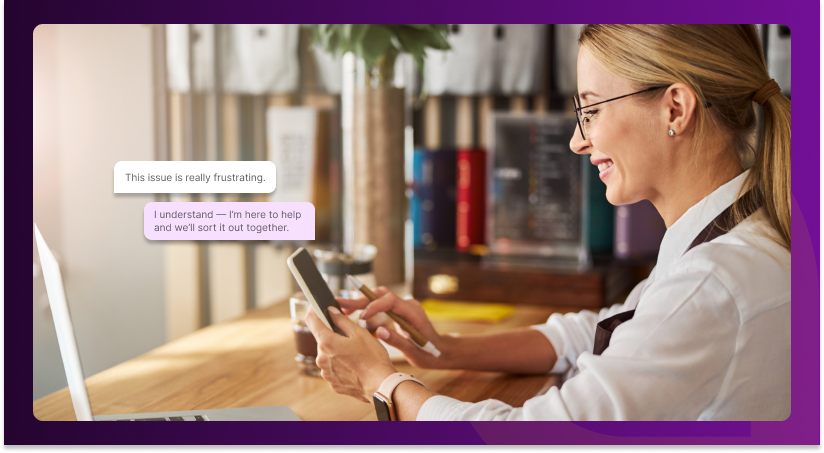
When covering empathy and patience, it is also important to note that practicing empathy and patience requires agents to adjust their communication style according to the customer’s emotional view of the interaction. By being patient and taking the time to listen, validate, and respond to customer concerns, you can turn a potentially negative experience into a good one. When agents listen patiently to customers, even in difficult situations, they are demonstrating professionalism and care for the customer, which in turn builds trust, encourages cooperation, and contributes to customer loyalty.

Using Emojis and Formatting Correctly

Emojis can also help to convey a friendlier interaction with customers, although they should be used sparingly and only when it is aligned with your brand voice. Formatting tools, like bold text or bullet points, can be used to help draw attention to important information to improve readability. When used thoughtfully, emojis well and formatting tools will help, but not distract, from the message being conveyed in the customer engagement.
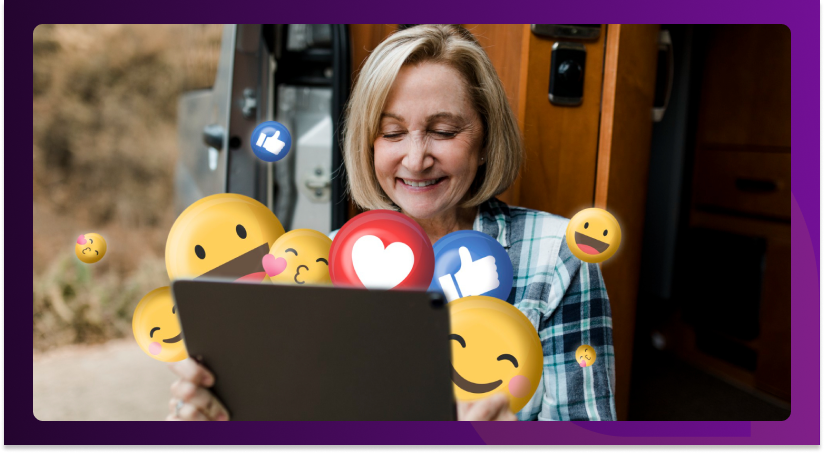
Using emojis and formatting effectively also helps convey tone and emphasis in text-based communication, which can otherwise feel impersonal. Strategic use of bold text, italics, or bullet points can guide the customer’s attention to key instructions or important details, making messages easier to scan and understand. When applied thoughtfully, these tools enhance readability, reduce confusion, and contribute to a friendly yet professional chat experience.

Following Up and Confirmation

Never terminate the chat without confirming the customer’s issue is successfully resolved. Ask the customer if they need any further assistance, or if there will be next steps in the process that you can clearly outline. Following up reassures the customer that your business is thorough, attentive, and genuinely interested in customer satisfaction.

Privacy and Professional Boundaries

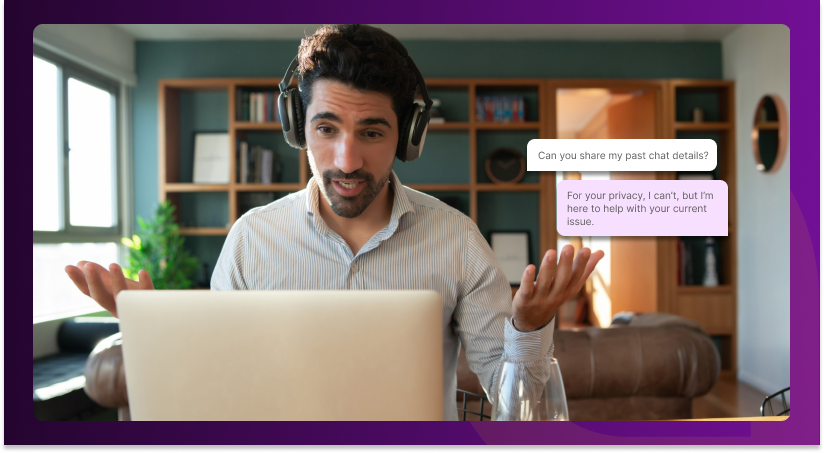
You must always respect the customer’s privacy. Never request unnecessary personal information from a customer, and never share good or bad information without permission. Professionalism is paramount, so do not make the chat a personal conversation; always keep it focused on the customer and the issues they need assistance with, and avoid chatting too familiarly or making personal comments.
These best practices form the essence of effective etiquette for live chat while allowing for responsive and focused conversations with your customers. When business incorporates these techniques into customer interactions, they improve customer satisfaction while also building customer loyalty, trust, and reputation over time.

Common Mistakes Regarding Live Chat Etiquette

Fueled by government vision, consumer expectations, and technological innovation, live chat adoption is picking up speed across all sectors. Among the best adoption trends include:

National Initiatives for Digital Transformation

Even when intending to offer customers a positive experience, businesses will often make easily avoidable mistakes during live chat exchanges that can disrupt the experience for the customer. Being aware of some common live chat flops can help to ensure your customer support stays professional and guided around the customer's experience.

Ignoring Messages or Slow Responses

The issue of customers’ messages not being answered in a timely manner or simply being ignored is probably one of the most significant issues you are going to experience. Not addressing messages in a timely manner can cause understandable frustrations for users and is likely to result in them leaving or abandoning the live chat. Therefore regular and timely message responses are critical in ensuring they continue to engage and have positive experiences with your business.

In addition, slow or repeated slow responses are likely going to have some type of impact on a brand's reputational value; that is, customer may feel as though the brand simply doesn't care enough to respond, and therefore they may choose to leave and not return. To mitigate this issue businesses might consider implementing some type of feature such as real-time notifications, suggestions for ai-assisted chat, or queue systems to ensure every message is engaged with in a timely fashion. In addressing customers promptly and effectively, companies allow the customer to stay engaged, whilst also enabling customers to feel the company is professional and reliable, which builds trust and encourages them to return.

Using Automated Responses that are Not Customized

Although automation definitely can "make life easier," using non-customized and generic responses will result in an interaction that is not memorable. Customers want to feel that a live agent is considering the nuances of their question and not that there is someone responding to them generically. Customer personalization is part of establish trust and rapport.

Overuse of Emojis or Casual Language

Using emojis and conversational style can provide a fun conversation, but if you go overboard it will also feel unprofessional. Finding a balance of fun and professionalism will cause your messages to be relatable and professional.

Lack of Follow-up and Ending the Chat

Ending a chat without confirming that the customer issue has been solved will lead someone to feel unsatisfied. Summarize the solution, offer to assist with anything else, and ensure the chat customer feels supported before closing the chat.

Avoiding these pitfalls is vitally important in order to establish good live chat etiquette. By promptly responding, personalizing the anticipating messages, keeping it professional, and most importantly, following up, a business can have a delightful and memorable interactions that lead to customer loyalty.

Advantages of Following Live Chat Etiquette

The Middle East is a center for customer support that utilizes AI. Businesses have to deliver a fast-accurate-multilingual service, so businesses rely on advanced technologies of AI to strengthen their live chat.

Adopting proper live chat etiquette is not just about navigating professional communication; there are clear advantages linked for both customers and businesses. Professionals who communicate with politeness, act fast, and respond to dissatisfactions in a thorough manner will make a customer feel valued and respected, therefore enhancing their overall satisfaction and future interactions with that company, creating a loyal customer. A clearly stated, concise, and bring attention to considerate communication can also improve issue resolution. Active listening paired with clarifying questions and giving the right answer can decrease misunderstandings while lowering to need to escalate the situation to someone higher within the support structure.

Live chat is a direct representation of your brand. Conduct and courtesy are important factors in establishing that credibility and trust. Businesses that transfer etiquette consistently develop a good reputation, and customers will even self-promote brands that are always providing helpful and kind online support. Proper live chat etiquette can also directly influence conversions for e-commerce and sales types of businesses. Given good suggestions, rapid responses and empathetic support will commonly nudge customers towards the completion of purchase process and engage with their services. By valuing live chat etiquette, businesses can establish a frictionless customer experience which successfully resolves the issue, creates a more engaged relationship, enhances your brand reputation, and promotes longevity for the business.

Tech & tips for ensuring good live chat etiquette

Good live chat etiquette can be easier and more rewarding with the use of AI-assisted chat solutions, in combination with certain tools and best practices. For example, chat solutions that are AI-assisted and provide fast customer responses can allow agents to continue working with the customer while they attend to complex questions and provide customers with timely responses. A company may also use chat scripts and templates that will support its efforts to improve consistency across chat interactions, while staying professional and clear.

Regular training for customer service agents is also an important step in reinforcing good etiquette, continuing their professional development in problem-solving, and updating their skills and knowledge of best practices. Monitoring and reviewing chat transcripts also allows businesses to evaluate performance for improvement, while making sure every customer service agent is conducting every conversation with professionalism. Using these variables together allows any company to present friendly, quick, and professional live chat support consistently.

Conclusion

For many nowadays, live chat etiquette matters in today's professional landscape. It helps ensure communication is professional, clear, and courteous. Sharing and courting best practices can enhance the customer experience, foster trust and loyalty, and even boost conversions, assuming, of course, you adhere to the etiquette. Implement professional etiquette today to elevate your live chat function into a powerful and intentional outreach tool to create a long-term relationship with your patrons.

Implementing effective live chat etiquette helps food businesses maintain their competitive advantage in today's digital-first marketplace. Today, customers expect businesses to provide instant, helpful, and polite support, and the brands that consistently deliver will always have the edge over their competitors when it comes to long-lasting customers. By implementing strong etiquette, a business can solve the customer's concern in an efficient way, while also creating a unique experience that can convert a customer into a brand advocate from their first encounter.

Is your chat etiquette helping you win customer trust and loyalty?

Elevate every conversation with Chattrik.

Lorelei Trisca

Lorelei Trisca is a content strategist, focusing on real-time customer engagement and modern communication tools. She turns complex ideas into practical insights that help businesses build stronger customer relationships.

Get Chattrik insights to elevate customer conversations—straight to your inbox.

Expect 1–3 helpful emails weekly. Your information stays private.

Smart Insights for Business Growth

Explore expert blogs on sales, leads, e-commerce mistakes, and strategies to maximize business success.

Alternate Text
Why Website Visitors Leave Before Buying

A customer visits your site, searches for some...

Alternate Text
7 Mistakes Online Businesses Make with Customer Service

In the current digital landscape, customer service...

Alternate Text
10 Proven Ways Live Chat Boosts Sales & Customer Retention

As technology marches on, competition has never...

Alternate Text
Lost Leads That Never Reach Your Sales Team

In the tech-led business world, companies heavily...

See all articles

Try Chattrik

Enjoy basic features free and explore premium tools with a 14-day trial Keep buttons same

Start free trial